
Introduction
The rainy season brings joy and freshness, but for dog owners, it also brings a host of skin problems for their furry friends. Wet weather and high humidity can create perfect conditions for skin issues such as fungal infections, hot spots, and yeast infections. Understanding how to address these issues effectively is crucial for maintaining your dog’s health and comfort. This blog post explores the benefits and drawbacks of home remedies versus veterinary treatments for managing skin conditions in dogs during the rainy season.
Understanding Rainy Season Skin Issues in Dogs
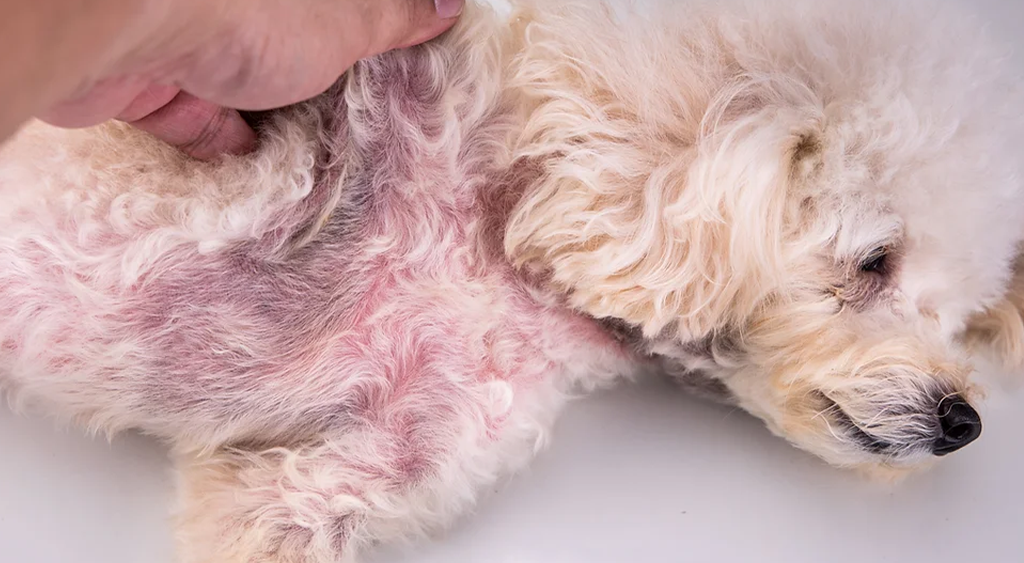
Common Skin Conditions
Rainy weather can lead to several skin problems in dogs, including:
- Fungal Infections: Excess moisture can cause fungal growth on your dog’s skin.
- Hot Spots: Wet fur and constant licking can lead to painful, inflamed areas known as hot spots.
- Yeast Infections: High humidity can create an environment where yeast thrives, leading to infections.
- Bacterial Infections: Wet, dirty fur can harbor bacteria, leading to infections.
- Allergies: Pollen and other allergens are more prevalent in the rainy season, exacerbating skin issues.
Home Remedies for Rainy Season Skin Issues
Particularly for mild skin conditions.
1. Benefits of Home Remedies
Home remedies offer several advantages.
- Cost-Effective: Home remedies are often cheaper than veterinary treatments.
- Readily Available: Ingredients are usually easy to find at home or in local stores.
- Natural: Home remedies typically use natural ingredients, which may have fewer side effects.
2. Common Home Remedies
1. Apple Cider Vinegar
How It Helps: Apple cider vinegar has antibacterial and antifungal properties. It can help soothe skin and reduce itchiness.
Usage: Dilute apple cider vinegar with water (1:1 ratio) and apply it to the affected area with a cotton ball.
2. Coconut Oil
How It Helps: Coconut oil is known for its moisturizing properties and can help reduce dryness and flakiness.
Usage: Apply a small amount of coconut oil to the affected area and gently massage it into the skin.
3. Oatmeal Baths
How It Helps: Oatmeal has soothing properties and can help relieve itching and irritation.
Usage: Grind plain oatmeal into a fine powder and add it to your dog’s bathwater. Let your dog soak for 10-15 minutes.
4. Aloe Vera
How It Helps: Aloe vera has anti-inflammatory properties and can soothe irritated skin.
Usage: Apply pure aloe vera gel to the affected area and allow it to absorb into the skin.
3. Limitations of Home Remedies
While home remedies can be effective for mild conditions, they have limitations:
- Effectiveness: Home remedies may not be effective for severe or persistent skin issues.
- Risk of Allergies: Some dogs may be allergic to certain ingredients.
- Delay in Treatment: Relying solely on home remedies may delay necessary veterinary care.
Veterinary Treatments for Rainy Season Skin Issues
Several advantages.
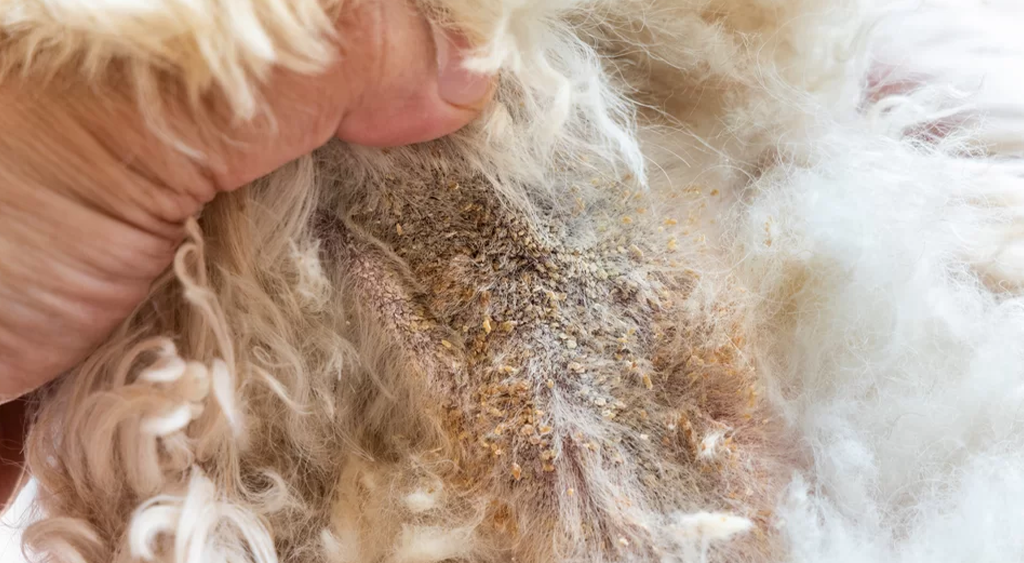
1. Benefits of Veterinary Treatments
Veterinary treatments offer
- Professional Diagnosis: Vets can accurately diagnose the specific skin condition and its cause.
- Effective Treatments: Prescription medications and treatments are often more effective than home remedies.
- Comprehensive Care: Vets can provide a comprehensive treatment plan, including follow-up care.
2. Common Veterinary Treatments
1. Topical Medications
Usage: Vets may prescribe topical creams or ointments to treat infections or inflammation.
Benefits: These medications are formulated to target specific conditions and are often more potent than home remedies.
2. Oral Medications
Usage: Antibiotics, antifungals, or anti-inflammatory drugs may be prescribed for more severe infections.
Benefits: Oral medications can address systemic infections and provide more comprehensive treatment.
3. Medicated Shampoos
Usage: Medicated shampoos can help treat and prevent skin conditions.
Benefits: These shampoos are specifically designed to address skin issues and are often more effective than over-the-counter options.
4. Allergy Treatments
Usage: For dogs with allergies, vets may prescribe antihistamines, corticosteroids, or immunotherapy.
Benefits: These treatments can help manage allergic reactions and prevent flare-ups.
3. Limitations of Veterinary Treatments
While veterinary treatments are effective, they also have some limitations:
- Cost: Veterinary care can be expensive, especially for ongoing treatments.
- Side Effects: Prescription medications can have side effects.
- Accessibility: Access to veterinary care may be limited in some areas.
Choosing the Right Approach
Skin issues.
1. When to Use Home Remedies
Home remedies can be suitable for:
- Mild Skin Issues: Minor irritations, dry skin, or mild itchiness.
- Preventive Care: Regular grooming and moisturizing to prevent skin issues.
- First Aid: Immediate care before visiting the vet.
2. When to Seek Veterinary Care
Veterinary care is essential for:
- Severe or Persistent Conditions: Any condition that doesn’t improve with home remedies.
- Infections: Signs of infection such as pus, swelling, or severe redness.
- Allergic Reactions: Severe itching, hives, or respiratory issues.
- Behavioral Changes: Lethargy, loss of appetite, or other signs of illness.
3. Combining Home Remedies and Veterinary Care
For many dogs, a combination of home remedies and veterinary treatments can be the most effective approach:
- Preventive Care: Use home remedies for regular maintenance and prevention.
- Complementary Treatments: Combine home remedies with veterinary treatments for a holistic approach.
- Follow-Up Care: Continue with home remedies as advised by your vet to support recovery.
4. Integrating Lifestyle Changes for Better Skin Health
In addition to home remedies and veterinary treatments, incorporating certain lifestyle changes can significantly enhance your dog’s skin health during the rainy season.
1. Regular Grooming
Regular grooming is essential to prevent skin problems. Brushing your dog’s coat helps to remove loose hair and prevent matting, which can trap moisture and lead to skin issues. Consider trimming long hair to reduce the chances of moisture retention.
2. Keeping Dry
After walks or outdoor play, make sure to dry your dog thoroughly. Pay special attention to the paws, belly, and areas with skin folds. Using a blow dryer on a low setting can help, but ensure it’s not too hot to avoid burns.
3. Balanced Diet
A balanced diet rich in omega-3 fatty acids can improve skin health. Foods such as fish, flaxseed, and supplements can support a healthy coat and skin, reducing the likelihood of irritation and infections.
4. Environmental Control
Maintain a clean and dry living environment for your dog. Use dehumidifiers to control indoor humidity levels and regularly clean your dog’s bedding to prevent the growth of bacteria and fungi.
5. Monitoring and Prompt Action
Regularly check your dog’s skin for any signs of issues, such as redness, swelling, or unusual odor. Prompt action and early intervention can prevent minor issues from developing into serious conditions.
Conclusion
Maintaining your dog’s skin health during the rainy season requires vigilance and the right approach. Home remedies can be effective for mild issues and preventive care, offering a natural and cost-effective solution. However, for severe or persistent conditions, veterinary treatments are essential for proper diagnosis and effective care. By understanding the benefits and limitations of each approach, you can ensure your dog stays healthy and comfortable, no matter the weather. Regular check-ups, proper grooming, and a balanced diet are also key to preventing skin issues and keeping your furry friend happy and healthy.
