
Introduction
Aggression in dogs can be a challenging and distressing issue for pet owners. While various factors contribute to aggressive behavior, including fear, anxiety, and underlying medical conditions, finding an effective solution is crucial for the well-being of both the dog and its owners. CBD (cannabidiol), a compound derived from the hemp plant, has emerged as a potential natural remedy for various canine behavioral issues, including aggression. But does it really work? This blog explores the potential benefits of CBD for aggressive dogs and how it might help manage this behavior.
Understanding Aggression in Dogs
When addressing aggression in dogs, understanding the underlying causes is crucial. Here are some common factors that contribute to aggressive behavior:
- Fear or Anxiety: Dogs experiencing fear or anxiety may display aggression as a defensive reaction when they feel threatened or scared. Identifying triggers and implementing behavior modification techniques can help alleviate these emotions and reduce aggressive responses.
- Protectiveness: Dogs are known for their loyalty and protective instincts. Aggression can arise when they perceive a threat to their territory, family members, or resources. Training exercises that establish boundaries and reinforce positive behaviors can help manage protectiveness and promote appropriate responses.
- Pain or Medical Issues: Dogs in pain or discomfort may exhibit aggression as a way to protect themselves or communicate their distress. It is essential to rule out any underlying medical conditions by seeking veterinary care. Treating the root cause of physical discomfort can alleviate aggressive tendencies.
- Lack of Socialization: Insufficient exposure to other dogs, animals, or humans during critical developmental stages can result in fear-based aggression. Gradual socialization, positive reinforcement training, and controlled introductions to different stimuli can help address this issue.
- Dominance: In some cases, dogs may display aggression as a means of asserting dominance or establishing hierarchy. It is important for owners to establish clear leadership roles through consistent training, setting boundaries, and promoting obedience to prevent dominance-related aggression.
Identifying the specific cause or triggers of aggression in dogs requires careful observation and professional guidance. Consulting with a qualified dog behaviorist or trainer can provide personalized strategies and techniques to address aggression effectively and ensure the well-being of both the dog and its environment. With patience, understanding, and appropriate training, many dogs can learn to overcome aggression and exhibit more desirable behaviors.
How CBD May Help with Aggression
CBD has shown promise in managing aggression in dogs through its potential impact on the endocannabinoid system (ECS). Here’s how CBD might aid in aggression management:
- Anxiety Reduction: CBD has anxiolytic properties that can help reduce anxiety in dogs. By promoting a sense of calm and relaxation, CBD may mitigate fear-based aggression triggered by anxiety-inducing situations.
- Pain Relief: Dogs experiencing pain or discomfort may exhibit aggression as a defensive response. CBD’s anti-inflammatory properties can potentially alleviate underlying pain, addressing the root cause of aggression and promoting a calmer demeanor.
- Mood Stabilization: CBD interacts with serotonin receptors in the brain, which are involved in mood regulation. By influencing these receptors, CBD may help stabilize mood and potentially reduce aggressive tendencies associated with mood imbalances.
- Behavioral Adjustment: Regular use of CBD in conjunction with behavioral training efforts may enhance the effectiveness of positive reinforcement techniques. By helping dogs stay relaxed and receptive to training, CBD can support the process of addressing and modifying aggressive behavior.
It is important to note that while CBD shows promise in aggression management, it should not be considered a standalone solution. A holistic approach that includes proper training, behavior modification techniques, and consultation with a veterinarian or professional dog behaviorist is essential for addressing aggression comprehensively.
Administering CBD to Aggressive Dogs
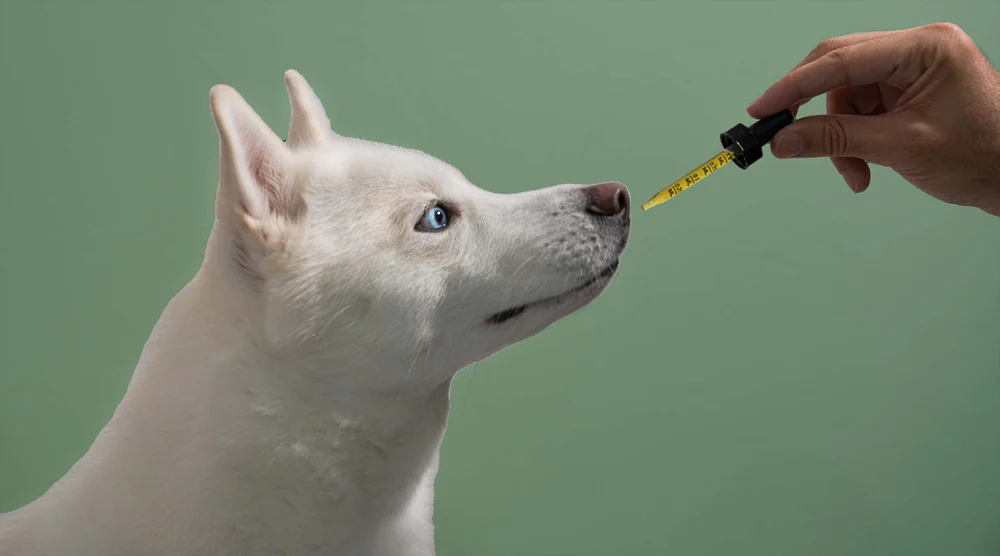
When considering CBD for aggression management in dogs, it’s important to follow certain guidelines:
- Choose High-Quality CBD Products: Opt for CBD products specifically formulated for pets, ensuring they are free from THC and other potentially harmful substances. Look for products that have undergone third-party lab testing to guarantee quality, safety, and potency.
- Start with a Low Dose: Begin with a low dose of CBD and gradually increase it until you observe a positive change in your dog’s behavior. A common starting dose is around 1-2 mg of CBD per 10 pounds of body weight. It’s important to start low to assess your dog’s individual response and determine the optimal dosage.
- Monitor Your Dog’s Response: Pay close attention to your dog’s behavior after administering CBD. Observe any changes in aggression levels, anxiety, or overall temperament. Keep a record of the dosage and its effects to guide your future adjustments.
- Consult a Veterinarian: Before initiating CBD use, it is crucial to consult with your veterinarian, especially if your dog has underlying health conditions or is taking other medications. They can provide valuable insights, offer dosage recommendations, and ensure CBD is safe and suitable for your dog’s specific circumstances.
Success Stories and Research
While scientific research on CBD for canine aggression is still in its early stages, anecdotal evidence from pet owners and some preliminary studies suggest promising results. Many pet owners report significant improvements in their dogs’ behavior after incorporating CBD into their routine. Dogs that were previously aggressive towards strangers, other dogs, or even family members have shown reduced aggression and increased calmness.
A study published in the journal Frontiers in Veterinary Science highlighted the potential of CBD in reducing stress and promoting calm behavior in dogs, which could indirectly help manage aggression.
Potential Side Effects and Considerations
While CBD is generally considered safe for dogs, it’s important to be aware of potential side effects that may occur, including:
- Dry Mouth: CBD can sometimes cause a temporary decrease in saliva production, leading to dry mouth. Ensure your dog has access to plenty of water to prevent dehydration.
- Drowsiness: CBD’s calming effects may cause drowsiness in some dogs. Monitor your dog’s response and adjust the dosage accordingly, especially if they seem excessively lethargic.
- Lowered Blood Pressure: CBD has been reported to cause a slight drop in blood pressure. If your dog has low blood pressure or is taking medication that affects blood pressure, consult your veterinarian before administering CBD.
- Diarrhea: In rare cases, CBD may cause digestive issues such as diarrhea. If this occurs, discontinue use and consult your veterinarian if the symptoms persist.
To minimize any potential risks, always start with a low dose of CBD and closely observe your dog’s response. It’s important to consult your veterinarian before incorporating CBD into your dog’s routine, as they can provide personalized advice and guidance based on your dog’s specific needs and health conditions. Additionally, choose CBD products that are specifically formulated for pets and undergo third-party testing to ensure they are free from THC and other harmful substances.
Also read: Summer Wellness: Exploring the Role of CBD Oil in Bulldog Care
Conclusion
CBD holds promise as a natural remedy for managing aggression in dogs, primarily through its calming and pain-relieving effects. While more research is needed to fully understand its efficacy, many pet owners have found success using CBD to help their aggressive dogs become more relaxed and manageable. If you’re considering CBD for your aggressive dog, consult with a veterinarian to develop a safe and effective plan tailored to your pet’s needs. By integrating CBD into a comprehensive approach that includes training and behavior modification, you can work towards a more harmonious relationship with your furry friend.
