
Introduction
CBD products for pets have grown in popularity over the past few years. Many dog owners are exploring CBD as part of their pet’s wellness routine — especially for senior dogs or breeds prone to joint sensitivity. However, with rising interest comes misinformation.
If you’re considering CBD for your dog, separating facts from myths is essential. Let’s break down the most common misconceptions and clarify what responsible pet owners should actually know.
What Is CBD for Dogs?
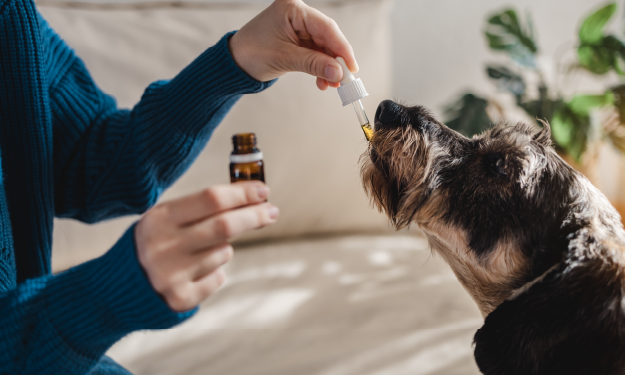
CBD (cannabidiol) is a compound derived from hemp. It is non-intoxicating and does not produce the “high” associated with THC. Pet-formulated CBD products are specifically designed with low or non-detectable THC levels and tailored concentrations for animals.
Dogs, like humans, have an endocannabinoid system that helps regulate balance in the body — including mood, appetite, and stress responses. CBD interacts with this system, which is why it has become an area of growing interest in pet wellness.
Now, let’s address the myths.
Myth #1: CBD Will Get My Dog High
This is one of the biggest misconceptions.
CBD is not psychoactive. THC is the compound responsible for intoxication, and reputable pet CBD products are formulated to contain little to no THC.
High-quality pet CBD products are derived from hemp and tested to ensure THC levels remain within safe legal limits. When purchased from trustworthy brands, CBD will not cause a “high” in dogs.
Myth #2: All CBD Products for Dogs Are the Same
Not all CBD products are created equally. Differences may include:
- Hemp source and quality
- Extraction methods
- Third-party lab testing
- Full-spectrum vs. broad-spectrum formulas
- Carrier oils used
Some products are formulated specifically for pets with adjusted concentrations and flavoring to improve acceptance.
Always look for:
- Third-party lab results
- Clear labeling
- THC content transparency
- Pet-specific dosing guidance
Quality matters significantly when it comes to your dog’s safety.
Myth #3: More CBD Means Better Results
Higher doses do not automatically mean better outcomes. In fact, giving too much CBD may cause unwanted effects like drowsiness or digestive upset.
CBD is typically introduced gradually. Many pet owners follow a “start low and adjust slowly” approach under veterinary guidance.
Every dog is different. Factors that influence response include:
- Size and weight
- Age
- Metabolism
- Overall health
- Existing medications
Responsible dosing is key.
Myth #4: CBD Is a Cure-All
CBD is not a miracle solution. While many pet owners report positive experiences, CBD should not replace veterinary care or prescribed treatments.
It may support general wellness, but it is not marketed as a cure for specific diseases. Claims that CBD can “fix everything” are misleading and often unsupported.
Always consult a veterinarian before introducing CBD, especially if your dog has underlying health conditions.
Myth #5: Human CBD Oil Is Safe for Dogs
Not all human CBD products are appropriate for dogs. Human formulations may contain:
- Essential oils
- Flavor additives
- Artificial sweeteners (such as xylitol, which is toxic to dogs)
- Higher cannabinoid concentrations
Pet-specific CBD products are formulated with safe ingredients and appropriate strength levels for dogs.
Using a product designed for pets reduces the risk of harmful additives.
Myth #6: There Are No Side Effects at All
While CBD is generally considered well-tolerated, it is not completely free of potential side effects.
Some dogs may experience:
- Mild drowsiness
- Dry mouth
- Temporary digestive changes
Monitoring your dog’s behavior after introduction is important. If anything unusual occurs, discontinue use and contact your veterinarian.
Myth #7: CBD Works Instantly
Some owners expect immediate results. While certain effects may appear quickly, CBD often works best when used consistently over time.
For example:
- Situational stress support may be noticed sooner.
- General wellness support may require more consistent use.
Patience and observation are essential.
Myth #8: CBD Is Illegal for Dogs Everywhere
Laws vary depending on country and region. In many places, hemp-derived CBD products with compliant THC levels are legal. However, regulations surrounding veterinary recommendations may differ.
Always check local regulations before purchasing or administering CBD to your dog.
How to Choose CBD Responsibly
When considering CBD for your dog:
- Choose pet-specific products.
- Review third-party lab test results.
- Confirm THC levels are compliant and minimal.
- Start with a low dose.
- Consult your veterinarian.
Transparency from the manufacturer is a strong indicator of product quality.
Also Read: How to Care for Bulldog Wrinkles to Prevent Infections
Final Thoughts
CBD for dogs continues to attract attention in the pet wellness space, but myths can create confusion. The most important things to remember are:
- CBD does not intoxicate dogs.
- Quality and proper dosing matter.
- It is not a cure-all.
- Veterinary guidance is essential.
Being informed helps you make safe, thoughtful decisions for your dog’s wellbeing. As research evolves, clearer insights will continue to emerge — but responsible use and professional consultation should always come first.
