
Pets, like humans, can experience eating disorders that affect their overall health and well-being. From loss of appetite to more serious conditions like anorexia, these issues can be distressing for both pets and their owners. Fortunately, CBD (cannabidiol) has emerged as a potential natural remedy to help stimulate appetite and improve the health of pets with eating disorders.
Understanding Eating Disorders in Pets
Eating disorders in pets refer to abnormal eating behaviors that can lead to health issues. Identifying and understanding these disorders is crucial for effective management and treatment.
What Are Eating Disorders in Pets?
Eating disorders in pets refer to any abnormal eating behavior that leads to health issues. Common eating disorders include anorexia, where a pet refuses to eat, and bulimia, characterized by binge eating followed by vomiting. These disorders can result from various underlying health problems, including gastrointestinal issues, dental pain, stress, anxiety, or more serious conditions like cancer.
Causes of Eating Disorders in Pets
Understanding the causes of eating disorders is essential for effective treatment. Eating disorders can stem from physical, psychological, or environmental factors. Common causes include:
- Medical conditions: Illnesses such as infections, gastrointestinal problems, or organ diseases.
- Pain: Dental issues or injuries that make eating painful.
- Stress and anxiety: Changes in the environment, separation anxiety, or loud noises.
- Medications: Some medications can suppress appetite as a side effect.
Signs and Symptoms of Eating Disorders in Pets
Identifying eating disorders in pets requires observing their behavior and physical condition. Recognizing these signs early can lead to timely intervention. Common signs include:
- Loss of appetite: Refusal to eat or reduced interest in food.
- Weight loss: Noticeable decrease in weight over time.
- Lethargy: Lack of energy and decreased activity levels.
- Vomiting: Frequent vomiting after eating.
- Changes in eating habits: Binge eating or eating non-food items.
The Role of CBD in Appetite Stimulation
CBD is known for its therapeutic benefits, including appetite stimulation. Understanding how CBD works can help pet owners make informed decisions about its use.
What is CBD?
CBD is a non-psychoactive compound found in the cannabis plant. It interacts with the endocannabinoid system (ECS) in the body, which plays a crucial role in regulating various physiological processes, including appetite, pain, mood, and immune function.
How Does CBD Stimulate Appetite?
CBD stimulates appetite through its interaction with the ECS. It can influence the production of certain hormones and neurotransmitters that regulate hunger. Specifically, CBD can:
- Increase ghrelin levels: Ghrelin is known as the “hunger hormone” and stimulates appetite.
- Reduce nausea: CBD has anti-nausea properties that can help pets feel more comfortable eating.
- Alleviate pain and inflammation: By reducing pain and inflammation, CBD can make eating less uncomfortable for pets with dental or gastrointestinal issues.
Scientific Evidence Supporting CBD for Appetite Stimulation
Several studies and anecdotal evidence suggest that CBD can effectively stimulate appetite in pets. For example, a study published in the journal Psychopharmacology found that CBD increased food intake in animal models by interacting with cannabinoid receptors in the brain. Another study in the Journal of Clinical Investigation highlighted CBD’s potential to reduce nausea and vomiting, further supporting its role in promoting appetite.
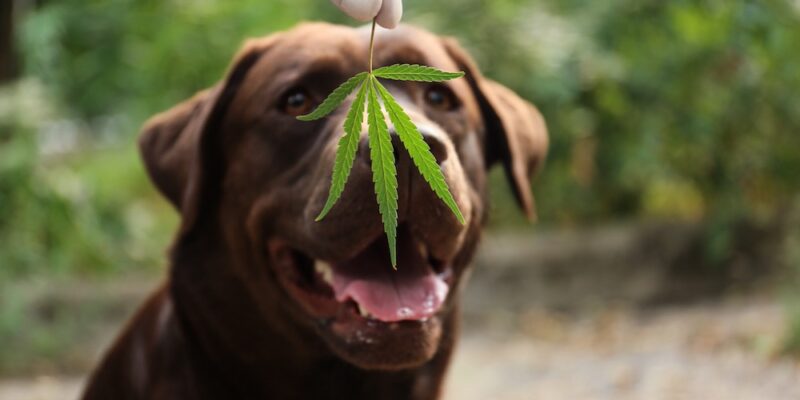
Benefits of CBD for Pets with Eating Disorders
CBD offers multiple benefits for pets with eating disorders, making it a valuable addition to their treatment regimen.
Natural and Safe Alternative
CBD is a natural alternative to conventional appetite stimulants, which can have side effects. When used appropriately, CBD is generally considered safe for pets and has a low risk of adverse effects.
Holistic Approach to Health
CBD offers a holistic approach to managing eating disorders by addressing various underlying issues. It can reduce anxiety, alleviate pain, and improve overall well-being, contributing to a healthier appetite.
Improved Quality of Life
By stimulating appetite and promoting better eating habits, CBD can enhance the quality of life for pets with eating disorders. Pets can regain energy, maintain a healthy weight, and experience less discomfort, leading to a happier and healthier life.
How to Administer CBD to Pets
Administering CBD correctly is crucial for ensuring its effectiveness and safety. Here’s how to get started.
Choosing the Right CBD Product
Selecting a high-quality CBD product is essential for ensuring safety and effectiveness. Look for products specifically formulated for pets, such as CBD oil, treats, or capsules. Ensure that the product is:
- Third-party tested: Verified for purity and potency.
- THC-free: Contains no psychoactive compounds.
- Dosage-appropriate: Clearly labeled with dosage instructions for pets.
Determining the Correct Dosage
Determining the correct dosage of CBD for pets requires considering factors like the pet’s weight, the severity of the eating disorder, and the specific product used. It’s crucial to start with a low dose and gradually increase it while monitoring the pet’s response. Consulting a veterinarian experienced in CBD use for pets can provide valuable guidance.
Methods of Administration
There are various methods to administer CBD to pets, including:
- CBD oil: Administered directly into the pet’s mouth or added to their food.
- CBD treats: Convenient and tasty options that pets are likely to accept willingly.
- CBD capsules: Can be hidden in food or treats for easy ingestion.
Monitoring and Adjusting
It’s important to monitor the pet’s response to CBD and make adjustments as needed. Watch for changes in appetite, behavior, and overall health. If there are no improvements or if adverse effects occur, discontinue use and consult a veterinarian.
Potential Side Effects and Precautions
While CBD is generally safe, it’s important to be aware of potential side effects and take necessary precautions.
Possible Side Effects
While CBD is generally well-tolerated, some pets may experience mild side effects, including:
- Drowsiness: Increased sleepiness or lethargy.
- Dry mouth: Reduced saliva production.
- Lower blood pressure: Temporary drop in blood pressure.
Precautions and Contraindications
Before starting CBD, consider the following precautions:
- Consult a veterinarian: Especially if the pet is on other medications or has underlying health conditions.
- Start with a low dose: Gradually increase the dose while monitoring the pet’s response.
- Choose reputable products: Ensure the product is safe and free from contaminants.
Conclusion
Eating disorders in pets can be challenging to manage, but CBD offers a promising natural solution for stimulating appetite and improving overall health. By understanding the causes and symptoms of eating disorders, selecting the right CBD product, and administering it correctly, pet owners can help their furry companions regain their appetite and lead healthier lives. Always consult a veterinarian before starting any new treatment, and monitor your pet’s response to ensure their well-being. With the right approach, CBD can be a valuable tool in promoting a healthier, happier life for pets with eating disorders.
