
Bulldogs are affectionate, stocky dogs with unique needs that set them apart from other breeds. Their heavy build, short snouts, and sensitive skin require a yard designed for safety, comfort, and mental stimulation. A well-planned outdoor space can help your bulldog stay active, prevent overheating, and avoid hazards like toxic plants or rough terrain. In this guide, we’ll explore how to create a bulldog-proof garden that balances safety with enriching activities to keep your companion happy and healthy.
Understanding Your Bulldog’s Needs
Bulldogs have specific physical and behavioral characteristics that influence yard design. Before planting shrubs or installing fences, it’s essential to recognize these traits to ensure your landscaping choices match your bulldog’s lifestyle.
Brachycephalic Physiology and Overheating Risk
Bulldogs belong to the brachycephalic group—breeds with short muzzles and flattened faces. Their respiratory anatomy makes it harder to regulate temperature, so they’re prone to heat exhaustion. In a hot yard without shade or water access, a bulldog may become overheated quickly. Designing a cooling-friendly environment with ample shade and hydration stations is critical.
Sturdy Build and Joint Sensitivity
With broad chests and hefty bodies, bulldogs often place extra stress on joints, making them susceptible to hip and elbow dysplasia. Uneven, rocky ground or slippery surfaces can aggravate joint pain. A landscaping plan that incorporates level, non-slip surfaces—such as synthetic turf or fine-textured mulch—can help prevent falls and support comfortable movement.
Curious Temperament and Digging Tendencies
Bulldogs are naturally inquisitive, often investigating scents and exploring with their paws. While not as prolific diggers as terriers, they still enjoy pawing at soft soil or mulch. Providing a designated digging zone filled with safe, stimulating materials can redirect this behavior away from flowerbeds or fragile plants.
Landscaping for Safety and Comfort
Designing a bulldog-proof yard starts with selecting dog-friendly materials, ensuring secure boundaries, and avoiding toxic flora. By focusing on ground cover, fencing, and plant choices, you can create a safe haven for your bulldog to roam.
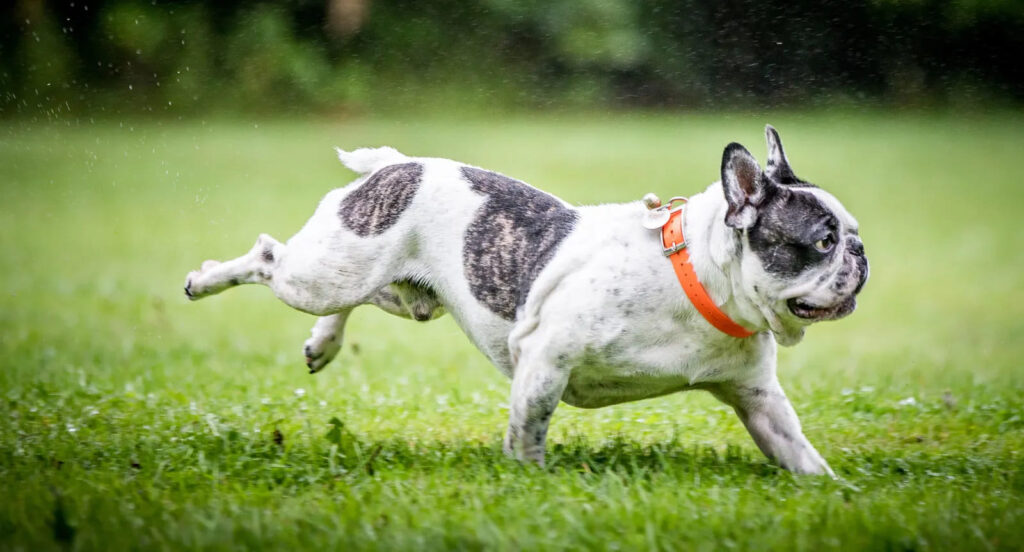
Choosing Dog-Safe Ground Covers
The surface your bulldog walks and lays on should be soft enough to protect joints but durable enough to handle play. Some ideal options include:
- Synthetic turf: Provides a cushioned, non-slip surface that drains easily and reduces muddy paws. Choose turf with high-quality infill and UV resistance to prevent odor buildup and fading.
- Pea gravel or decomposed granite: Offers drainage and texture without sharp edges. Look for smaller, rounded stones to avoid paw injuries.
- Cedar mulch: Naturally repels fleas and ticks and resists rot. Use a coarse grind to prevent ingestion, which can cause gastrointestinal upset. Avoid cocoa mulch, as it contains theobromine, which is toxic to dogs.
By layering these materials in high-traffic areas, you reduce impact on your bulldog’s joints and minimize slipping during zoomies.
Installing Secure, Bulldog-Friendly Fencing
Bulldogs may not be agile jumpers, but they can be strong and determined. A sturdy, escape-proof fence ensures they stay contained and safe.
- Height and material: Aim for at least a 4-foot-tall fence made of vinyl or metal mesh. These materials resist chomping and pawing. Pressure-treated wood can work but requires regular inspection for splinters or rot.
- Buried bottom edge: To prevent digging under the fence, bury the bottom 6–12 inches of mesh or attach a concrete footer. Slanting the bottom inward (toward the yard) at a 30-degree angle can also discourage digging attempts.
- Secure gates: Use heavy-duty latches and self-closing hinges. Bulldogs can learn to nudge or paw at loose gates, so opt for swing gates with spring-loaded closures.
Proper fencing not only contains your bulldog but also keeps out wildlife and reduces stress from external distractions.
Selecting Non-Toxic, Durable Plants
Many common garden plants are toxic to dogs if ingested. For a bulldog-proof yard, focus on dog-safe and low-maintenance species:
- Lavender: Fragrant, drought-tolerant, and non-toxic in small amounts. Its scent can also deter fleas.
- Sunflower: Tall, sturdy stems resist roughhousing, and petals provide visual stimulation. Birds visiting sunflowers can entertain your bulldog safely from afar.
- Marigold: Natural pest-repellent properties and easy to grow. Avoid varieties treated with harmful chemicals.
- Zucchini or squash: Edible plants that withstand moderate chewing. Just be ready for occasional nibbling of leaves or stems.
- Boston fern: Thrives in shade, is non-toxic, and adds lush greenery to shady corners where your bulldog might nap.
Steer clear of lilies, azaleas, daffodils, and oleander—all toxic to dogs if ingested. Keep potted plants elevated or in hanging baskets to prevent accidental munching.
Enrichment Features to Keep Bulldogs Engaged
Bulldogs benefit from mental stimulation as much as physical exercise. Incorporating enrichment elements ensures they remain engaged, reducing boredom-driven behaviors like excessive barking or destructive digging.
Designing a Dedicated Digging Zone
Install a sandbox or a small raised planter filled with soft, dog-safe sand or loose soil. Encourage your bulldog to dig by burying non-toxic toys or treats just beneath the surface. Over time, they’ll associate this area with fun and keep other garden areas intact. Borders made of landscape timbers or low wooden walls help contain the digging materials and maintain a tidy appearance.
Incorporating Sensory Stimulation
Scent-based and tactile elements invite exploration:
- Scent stations: Plant aromatic herbs—like mint, basil, or rosemary—in a low, enclosed garden bed. These scents are safe for dogs to sniff or brush against. Introduce small scent trails by lightly rubbing a treat or a favorite toy along the edge of the bed for added interest.
- Textured pathways: Use a combination of pea gravel, stepping stones, and mulch to create a sensory trail. Encourage your bulldog to walk along these surfaces for paw stimulation.
- Water features: A shallow, bubblers-style fountain or dog-accessible water bowl with gentle flow can provide both drinking water and a sensory play element. Ensure it’s sturdy and placed on a level surface to prevent tipping.
Sensory gardens help exercise your bulldog’s mind, fostering curiosity and reducing stress during alone time.
Safe Obstacle Course and Agility Elements
Bulldogs enjoy mild physical challenges that suit their build. Create a miniature obstacle course tailored to their abilities:
- Low hurdles: Construct small jumps (6–8 inches high) using PVC pipes or pool noodles on stable supports.
- Tunnel: Set up a soft, collapsible dog tunnel for crawling exercises. Ensure it’s wide enough to prevent palpitations.
- Balance platform: Use a wide, sturdy wooden platform (6–8 inches off the ground) to practice gentle balance and coordination.
Avoid overly complex or high jumps that strain bulldog joints. Focus on short bursts of activity interspersed with rest to prevent overheating.
Maintenance and Seasonal Considerations
Keeping a bulldog-proof yard thriving requires regular maintenance, especially during temperature extremes when bulldogs are most vulnerable.
Year-Round Yard Upkeep
- Weed and debris control: Clear fallen branches, leaves, or trash daily to prevent your bulldog from chewing or ingesting harmful items.
- Inspect for hazards: Check for broken fence boards, protruding nails, or loose paving stones that could injure paws.
- Refresh substrate: Top up mulch or replenish synthetic turf infill to maintain cushioning and prevent anaerobic odor buildup.
Regularly monitor the yard’s condition to ensure a consistently safe environment for your bulldog.
Summer Safety Tips
- Shade and hydration: Install a canopy or plant fast-growing shade trees (e.g., maple) to provide relief from direct sun. Keep water bowls filled and consider a ceramic or stainless-steel bowl to keep water cooler, ideally placed on a shaded, elevated platform.
- Cooling mats: Provide a self-cooling mat or damp towel laid on a cool surface. Bulldogs can’t tolerate high heat, so offer multiple cooling spots to prevent overheating.
- Check ground temperature: Asphalt and concrete absorb heat quickly. Test with your hand—if it’s too hot for you, it’s too hot for bulldog paws. Use alternative surfaces like pea gravel or turf during peak heat.
Winter Considerations
- Non-toxic ice melt: Most de-icing salts irritate paw pads. Use pet-safe ice melt products and rinse paws after walks to remove residue.
- Sheltered rest area: Bulldog-friendly dog houses or insulated outdoor dog beds provide a warm spot to rest during milder winter days.
- Dry, comfortable bedding: Check that any straw, wood shavings, or absorbent bedding in outdoor shelters remains dry to prevent chills and fungus growth.
Adapting your yard to seasonal needs ensures that your bulldog remains safe and comfortable year-round.
Read Also : Bull Dog CBD Oil for Joint Health: A Natural Remedy for Dogs
Conclusion
Creating a bulldog-proof garden involves more than planting dog-friendly flowers and installing a sturdy fence. It requires thoughtful planning around your bulldog’s physical limitations, environmental sensitivities, and behavioral tendencies. By choosing non-toxic, low-maintenance ground covers, guaranteeing secure fencing, and integrating sensory and mobility-focused enrichment elements, you can design a yard where your bulldog thrives physically and mentally. Regular maintenance and seasonal adjustments further solidify a safe, engaging outdoor space. With these strategies, you’ll foster a yard that not only keeps your bulldog comfortable and content but also enriches their daily experiences and deepens the bond you share.
