
Introduction
The rise of CBD (cannabidiol) has been one of the most significant trends in health and wellness over recent years, not just for humans but for pets too. With a surge in pet owners seeking natural remedies to improve the wellbeing of their dogs and cats, CBD has entered the spotlight as a promising solution. But with any trend, especially in the realm of health, it is crucial to distinguish between fact and fiction. So, is CBD for pets a miracle, or is it merely a myth wrapped in clever marketing? Let’s delve into the evidence, understand the science, and hear what the experts have to say.
Understanding CBD and Its Popularity
CBD is a compound found in cannabis and hemp plants. Unlike its cousin THC (tetrahydrocannabinol), CBD does not produce a “high.” Its popularity has been rising due to its purported health benefits, ranging from pain relief to reducing anxiety and inflammation. In humans, the anecdotal evidence has often been supported by scientific research, leading to a booming industry of CBD products.
For pets, the story is somewhat similar. The anecdotal evidence of CBD’s benefits is plentiful. Many pet owners report that after administering CBD oil, their pets seem less anxious during thunderstorms or fireworks, show less aggression, or appear more comfortable during their twilight years. But anecdotes are not solid proof, and while they are valuable as leads, they cannot substitute for scientific evidence and professional veterinary advice.
Investigating the Claims: Miracle or Exaggeration?
The claims surrounding CBD for pets are extensive. They suggest that CBD can help with:
- Anxiety and stress
- Pain and inflammation
- Epilepsy and seizures
- Appetite loss and nausea
- Cancer symptoms
At face value, the list is impressive, and if true, CBD would indeed be a miracle product. But it’s essential to dig deeper.
Scientific Evidence: Current Research on CBD for Pets
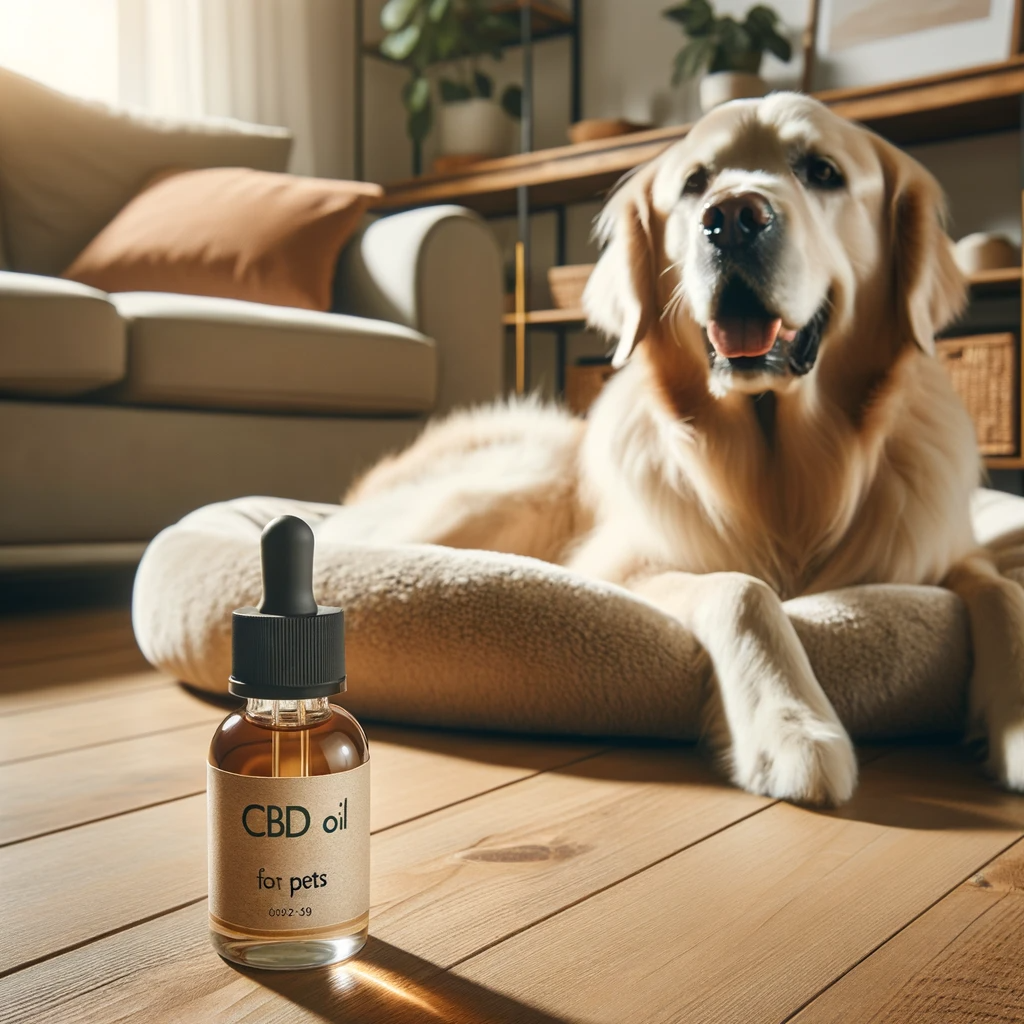
Research into CBD’s effects on pets is still in its infancy, but there are a few studies worth noting. A study by Cornell University found that CBD oil could increase comfort and activity in dogs with osteoarthritis. Another study suggested that CBD might reduce seizure frequency in dogs. These studies are promising, but they also highlight the need for more comprehensive research.
The challenge with current evidence is the small sample sizes and limited scope of conditions studied. Without large-scale, long-term studies, the veterinary community remains cautious about endorsing CBD as a treatment.
Vet Opinions: Professional Caution
Many veterinarians remain hesitant to recommend CBD, primarily due to the lack of FDA regulation and the variability in product quality. CBD products for pets are not currently regulated, which means there’s no standard for dosage or even proof that the product contains the amount of CBD claimed on the label. This lack of regulation and oversight can potentially lead to products that are ineffective or, worse, harmful.
Veterinarians also worry about potential side effects and interactions with other medications. CBD is metabolized in the liver, and there is a possibility it could interfere with other drugs your pet might be taking. The long-term effects are also unknown, adding another layer of concern.
Responsible Use: A Middle Ground

If you are considering CBD for your pet, the most responsible approach is to talk to your veterinarian. They can provide guidance based on the most current information and may be able to recommend specific products that they know have been tested for purity and potency.
When selecting a CBD product for your pet, look for ones that have been independently tested by a third-party lab and provide a Certificate of Analysis (COA). This certificate should give you confidence that the product contains the amount of CBD claimed and is free from contaminants like heavy metals or pesticides.
The Path Forward: Myth to Medicine
For CBD to move from the realm of myth and anecdote into accepted medical practice for pets, several things need to happen. First, more robust research needs to be conducted. This research should not only look at the efficacy of CBD but also at safety, side effects, and potential interactions with other medications.
Second, regulation needs to catch up with the market. This will ensure that products are safe, consistent, and labeled accurately, giving veterinarians and pet owners the confidence to use them properly.
Navigating the Hype: Setting Realistic Expectations for Pet Owners
Amidst the anecdotes and the initial research findings, it’s essential for pet owners to set realistic expectations. CBD is not a panacea, and while some pets may experience relief from certain symptoms, others may not respond to CBD at all. It’s also crucial to understand that CBD should not replace conventional treatments, especially for serious conditions, without a veterinarian’s guidance.
Safety First: Monitoring Your Pet’s Response to CBD
For those who decide to try CBD for their pets, monitoring is crucial. Just like any new supplement or medication, it’s important to watch for any changes in your pet’s behavior or symptoms. If any adverse reactions occur, such as gastrointestinal upset, lethargy, or changes in appetite, it’s important to stop the use of CBD and consult your vet immediately.
The Future of Research in CBD for Pets

There’s good news on the horizon for pet owners curious about CBD. The interest in CBD’s therapeutic potential has led to the inception of new studies and clinical trials. Universities and pet pharmaceutical companies are investing in research that could lead to a deeper understanding of how CBD affects pets. As this body of research grows, the veterinary community anticipates gaining a clearer picture of when and how to use CBD most effectively.
Ethical Considerations and Veterinary Involvement
As the demand for CBD products for pets grows, so does the responsibility of pet product manufacturers and pet health professionals. Ethical considerations must be at the forefront of this burgeoning industry. Products should be developed with animal welfare in mind, and veterinary professionals should be involved in product development and testing to ensure the safety and well-being of pets.
Veterinary involvement doesn’t stop at product development; it extends to educating pet owners. Veterinarians are often the most trusted source of information for pet health matters, and as such, they have a duty to stay informed about the latest research and provide honest counsel to pet owners, balancing hope with realism.
CBD and Holistic Pet Wellness: Integrating Natural Solutions
CBD’s rise reflects a broader trend towards holistic wellness for pets. Pet owners are increasingly looking for natural ways to support their pets’ health, often integrating traditional and alternative therapies. In this context, CBD is often considered alongside dietary changes, supplements, herbal remedies, and even acupuncture.
For a holistic approach to be effective, it’s important that all aspects of the pet’s health are considered. A comprehensive plan should involve regular veterinary checkups, a balanced diet, adequate exercise, and mental stimulation. CBD can be a component of this plan, but it should not be the sole focus.
The Takeaway: Empowering Informed Decisions
Ultimately, the decision to use CBD for pets should be an informed one. As research progresses, we will hopefully learn which conditions CBD can help with, the most effective doses, and how it can be safely incorporated into a pet’s health regimen.
The Bottom Line
CBD for pets stands somewhere between a miracle and a myth. It’s a substance with great potential but also one that is shrouded in hype and limited by a lack of comprehensive scientific understanding. The cautious optimism of the pet community is a balanced stance that encourages the hope for natural relief while acknowledging the current limitations of our knowledge.
As pet owners navigate the world of CBD, patience and prudence are virtues. By choosing tested products, consulting with veterinarians, and keeping an eye on emerging research, pet owners can responsibly explore the potential benefits of CBD for their furry friends. The goal is clear: to ensure the health and happiness of our pets with well-informed, safe, and effective care choices. With ongoing research and a science-based approach, CBD may one day move from the realms of miracle and myth into the clear light of medical validity.
